Exploring the World of Tabletop Games
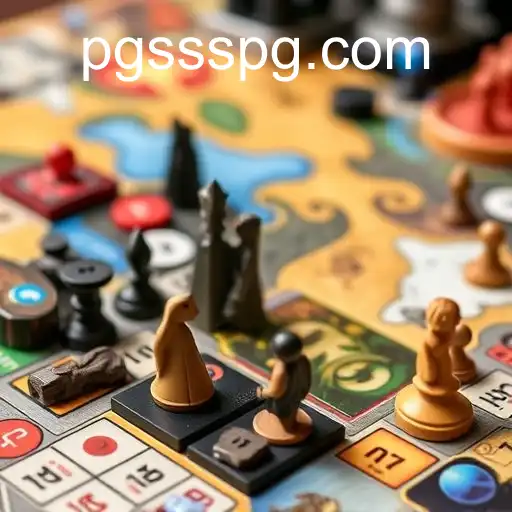
Tabletop games have been a cornerstone of social entertainment for generations, captivating players with a blend of strategy, chance, and interaction. Whether you're a seasoned aficionado or a newcomer, the diversity and creativity within the tabletop gaming universe are boundless.
The Evolution of Tabletop Games
The history of tabletop games dates back to ancient times. Games such as Senet and Go have entertained and educated for centuries. However, the modern revolution of tabletop games began in the mid-20th century, with titles like Monopoly and Risk capturing the imagination of players worldwide. The 1970s and 1980s saw the rise of role-playing games (RPGs) with Dungeons & Dragons paving the way for immersive storytelling experiences.
The Role of Strategy and Chance
Strategy and chance play pivotal roles in the appeal of tabletop games. Strategic games, like chess, rely heavily on tactics and foresight, challenging players to outperform their opponents through skillful planning. Conversely, games that incorporate elements of chance, such as rolling dice or drawing cards, add unpredictability and excitement, making them accessible to a wider audience.
A New Age of Tabletop Gaming
The resurgence of tabletop games in recent years, often referred to as the "Board Game Renaissance," has introduced a wealth of innovative designs and themes. Modern classics like Settlers of Catan and Ticket to Ride have redefined what a board game can be, while Kickstarter and other crowdfunding platforms have enabled independent creators to bring unique concepts to life.
The Diversity of Tabletop Game Themes
The thematic diversity in tabletop games is astonishing. From whimsical adventures in fantasy worlds to intense simulations of historical conflicts, tabletop games offer something for everyone. Cooperative games, where players work together to achieve a common goal, like Pandemic, have also gained popularity, emphasizing teamwork and camaraderie.
The Social Aspect of Tabletop Gaming
One of the most appealing aspects of tabletop gaming is the social interaction it fosters. Unlike digital games, which often isolate players, tabletop games encourage face-to-face communication and collaboration. This makes them excellent icebreakers and perfect for spending quality time with friends and family.
The Role-Playing Game Phenomenon
Role-playing games (RPGs) have carved out a significant niche in the tabletop gaming landscape. These games allow players to assume the roles of characters in narrative-driven contexts, complete with character development and intricate storylines. RPGs provide an unparalleled level of immersion, empowering players to shape the story through their decisions and actions.
Tabletop Games in the Digital Age
While traditional tabletop gaming relies on physical components such as boards, dice, and cards, the digital age has seen the rise of hybrid games that integrate technology. Apps and smart devices now enhance the gameplay experience by automating rules and providing rich multimedia accompaniments, bridging the gap between digital and analogue realms.
The Community and Culture of Tabletop Gaming
The global community of tabletop gaming enthusiasts is vibrant and diverse. From casual players to competitive tournament-goers, the community is characterized by a shared passion for gaming and creativity. Gaming conventions and meet-ups provide platforms for enthusiasts to connect, exchange ideas, and discover new games.
The Economic Impact of Tabletop Games
The economic impact of tabletop games is significant. The industry's growth has led to a burgeoning ecosystem of publishers, designers, artists, and retailers, all contributing to a thriving marketplace. This economic vitality underscores the broader cultural importance of tabletop gaming as both an art form and a recreational activity.
The Future of Tabletop Gaming
As we look to the future, the tabletop gaming industry shows no signs of slowing down. With technological advancements and an ever-growing pool of creative talent, the potential for new and exciting gaming experiences is limitless. The integration of augmented reality and virtual reality into tabletop games could redefine how players engage with their favorite titles.
Whether you're drawn to the strategic depth of Eurogames, the narrative allure of RPGs, or the communal spirit of party games, the world of tabletop gaming is rich and expansive, offering an adventure for every player.